Ultraburn, Evolved: The Scorched-Edge Aesthetic Gets a Bolder Upgrade
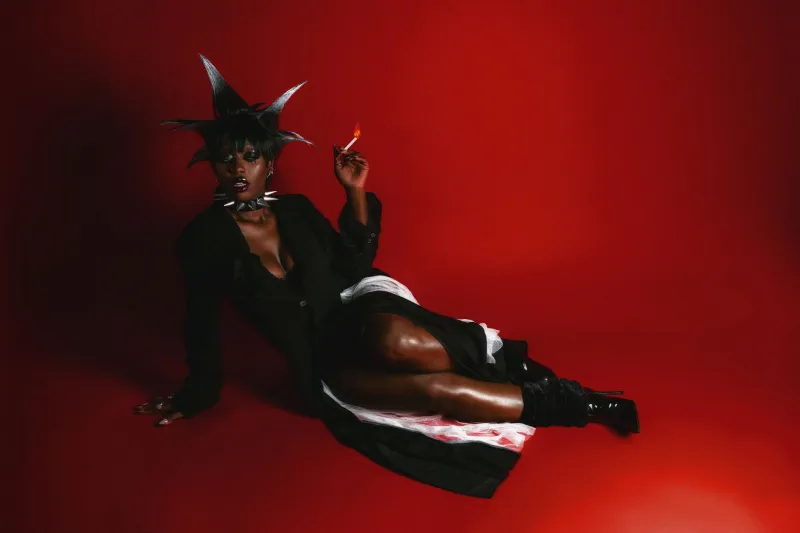
We introduced you to Ultraburn — fashion's obsession with charred edges, singed hems, and the raw, unfinished beauty of something that's been through the fire. And you ran with it. Hard. But like any aesthetic worth its salt, Ultraburn didn't stay still. It adapted, deepened, and came back with more attitude than ever.
Consider this your official update. Ultraburn has evolved, and the new iteration is doing things the original only hinted at.
What Made the Original Ultraburn So Compelling
Before we get into what's new, let's revisit why the scorched-edge aesthetic hit so differently in the first place. At its core, Ultraburn was a rejection of pristine perfection. It said: I've been through something, and I look incredible because of it, not in spite of it.
Singed lace. Deliberately frayed hems that looked like they'd kissed an open flame. Fabric that told a story without saying a word. It resonated with women who were done performing flawlessness for an audience that never deserved it anyway.
The original Ultraburn was raw. It was reactive. It was a gut punch in the best possible way.
But raw can only take you so far. What comes next is refinement without losing the edge.
The Evolution: What's Different Now
Precision Burns
Early Ultraburn was gloriously chaotic — the burn could show up anywhere, almost randomly, like the garment had survived something it didn't plan for. The evolved version is far more architectural. Designers are now treating the scorched edge as a deliberate design line, almost like a seam or a dart. The burn means something structurally.
Think asymmetrical necklines where the char is the neckline. Hemlines that graduate from intact fabric to singed fringe in a calculated diagonal. The destruction is designed. That shift from accidental to intentional is huge.
New Materials Entering the Conversation
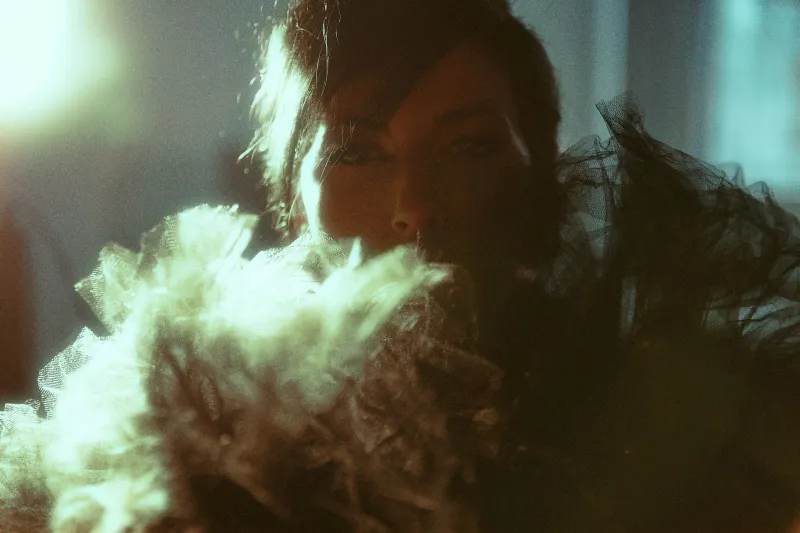
The original wave leaned heavily on denim, cotton, and linen — materials that char in a visually satisfying, tactile way. The new phase is pushing into unexpected territory: silk organza with burned edges that curl and catch the light like something alive, velvet where the pile is selectively scorched to create texture contrast, and even leather that's been heat-treated to create gradient tonal effects.
Each material responds to heat differently, and designers are now treating that variation as a palette. The result is a much richer, more complex visual language.
Layering the Burn
Another major evolution: Ultraburn is no longer confined to a single statement piece. The new approach layers scorched elements across an entire look — a burned-edge blazer over a singed slip dress, with accessories that echo the aesthetic in subtler ways. A leather bag with heat-darkened corners. Shoes with deliberately distressed soles.
This creates a cohesive world rather than a single moment. It's the difference between wearing a trend and living an aesthetic.
Color Gets Involved
The original Ultraburn was largely monochromatic — the drama came from texture and form, not color. That's changing fast. We're seeing scorched edges meeting bold, unexpected hues: a cobalt blue linen jacket with char-black edges, a crimson organza skirt where the burned hem creates a natural gradient into deep burgundy.
The interplay between vivid color and the organic darkness of a burned edge is genuinely stunning. It shouldn't work as well as it does. It absolutely works.
Who's Wearing It Now
The Ultraburn aesthetic has always attracted a certain kind of woman — someone who isn't interested in looking like she just stepped out of a catalog. But the evolved version is pulling in a wider crowd.
Creative directors and brand founders are gravitating toward the precision-burn blazer as a power piece that signals creative authority. Artists and musicians are leaning into full scorched-edge looks for performances and press. And increasingly, fashion-forward women in cities like New York, LA, Chicago, and Atlanta are incorporating single Ultraburn pieces into otherwise polished wardrobes — using the contrast to create that one thing that makes the whole outfit make sense.
How to Style the New Ultraburn
Lead with structure. The evolved Ultraburn works best when the rest of your look is clean and intentional. A precision-burned blazer over a simple tank and tailored trousers lets the scorched edge do its job without competing for attention.
Let texture tell the story. If you're working with a burned velvet or organza piece, keep your other textures quiet. Matte, smooth fabrics create the contrast that makes the scorched element pop.
Don't over-accessorize. The new Ultraburn is already doing a lot. Jewelry should be minimal and architectural — a single sculptural ring, a barely-there chain. Let the garment be the statement.
Play with proportion. A scorched maxi skirt with a fitted top creates a silhouette that's dramatic and balanced. An oversized burned-edge coat over a slim silhouette does the same. The burn draws the eye; proportion controls where it lands.
The Deeper Meaning (Because There Always Is One)
Fashion doesn't evolve in a vacuum. The fact that Ultraburn is getting more precise, more layered, more intentional — that tracks with where we are culturally. The initial impulse was reactive, almost angry. I'm not going to pretend to be perfect. The evolved version is something more grounded: I know exactly who I am, and I built this deliberately.
That's a different kind of power. Less explosion, more architecture. The fire didn't go out — it just learned how to burn smarter.
Ultraburn 2.0 isn't a trend update. It's a maturation. And honestly? We're here for every single singed, scorched, deliberately destroyed inch of it.