Ultraburn: The Scorched-Edge Aesthetic That's Setting Fashion on Fire
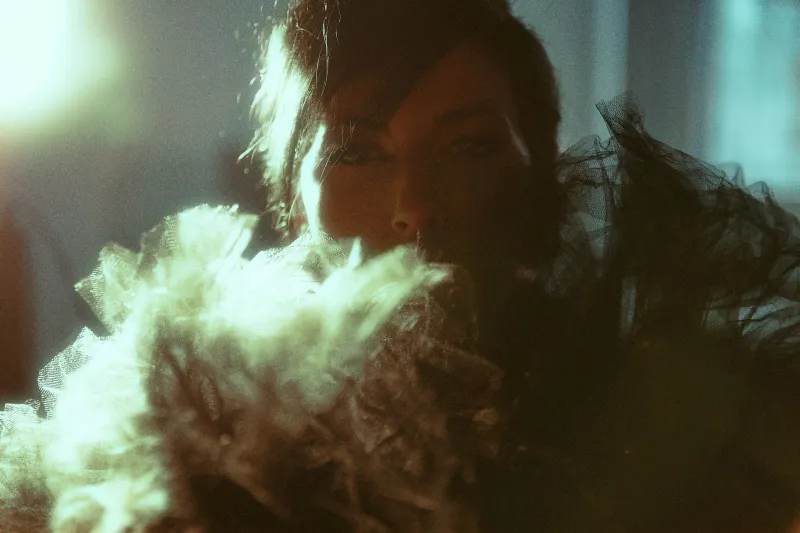
There's a moment right before something burns away completely — that suspended instant where the edges glow, the material transforms, and what's left behind is somehow more beautiful than what was there before. That's the energy driving one of fashion's most provocative design movements right now: the ultraburn aesthetic.
It's raw. It's unapologetic. And it's showing up everywhere from avant-garde runway collections to the boldest indie designers in Brooklyn and LA.
What Is the Ultraburn Aesthetic, Exactly?
At its core, ultraburn is a design philosophy built around controlled destruction. Think scorched hemlines, deliberately burned-out lace, charred fabric edges that fray into something hauntingly gorgeous, and textile treatments that mimic the aftermath of intense heat. It's the visual language of transformation — of something being broken down so that something fiercer can emerge.
This isn't about damage for damage's sake. The ultraburn look is intentional. Every singed edge is a design decision. Every raw, heat-treated seam is a statement. It's the fashion equivalent of a phoenix moment, and in a cultural climate where women are done with playing small, that metaphor hits different.
Designers working in this space treat fire — literal or simulated — as a collaborator. The result is pieces that feel alive, unpredictable, and deeply personal in a way that mass production simply can't replicate.
The Techniques Behind the Look
So how do designers actually achieve that scorched, otherworldly finish? There are a few key methods driving the ultraburn aesthetic forward:
Heat Distressing involves applying controlled heat to synthetic fabrics like polyester or nylon to create melt-edged, puckered textures that catch light in unexpected ways. The fabric doesn't burn so much as it transforms, pulling into itself and creating sculptural, almost molten-looking surfaces.
Burnout Velvet is a classic technique getting a serious upgrade. Traditional burnout velvet uses chemicals to dissolve fiber patterns into the pile, but contemporary designers are pushing this further — creating gradient burn effects, asymmetrical erosion patterns, and large-scale abstract destruction across the full garment.
Laser Etching and Cutting gives designers precision control over the burn aesthetic without open flame. High-powered lasers can scorch, etch, and cut fabric simultaneously, creating intricate patterns that look hand-done but operate at a level of detail that's genuinely breathtaking.
Raw Edge Seaming takes the ultraburn look into construction itself — leaving seams unfinished, frayed, or deliberately heat-sealed so that the interior logic of the garment becomes part of its visual story.
Why This Aesthetic Feels So Right for Right Now
Let's be real — we're living in a moment that demands more than pretty. Women are navigating a cultural landscape that's simultaneously asking them to be softer and tougher, more visible and more palatable. The ultraburn aesthetic rejects that contradiction entirely.
There's something deeply satisfying about wearing a garment that looks like it survived something. It signals resilience without having to explain itself. It's bold femininity in its most literal form — beauty that came through fire and is stronger for it.
The aesthetic also taps into a broader cultural appetite for authenticity. In an era of hyper-curated feeds and algorithmic fashion cycles, ultraburn looks real. It looks like something happened to this fabric. It looks like a story.
For a generation of women who are tired of aspirational polish and hungry for something that actually reflects the complexity of their lives, that matters enormously.
How to Wear the Ultraburn Look
If you're ready to bring some scorched-edge energy into your wardrobe, the good news is that this aesthetic is surprisingly wearable — even if you're not ready to go full avant-garde.
Start with texture. Burnout velvet pieces — a blazer, a slip dress, even a structured top — give you the heat-treated visual without the full intensity. Look for pieces where the burnout creates an abstract or organic pattern rather than something overly literal.
Embrace raw edges. A skirt with a deliberately frayed hem, a jacket with unfinished lapels, or a top with laser-cut detailing at the neckline all carry ultraburn energy without requiring head-to-toe commitment.
Play with contrast. The ultraburn aesthetic hits hardest when it's paired with something clean and structured. A scorched-edge lace top over sleek tailored trousers. A distressed velvet blazer with a crisp white column skirt. The contrast is the point.
Go dark with your palette. Charcoal, deep burgundy, midnight blue, and obviously black are the natural homes of ultraburn aesthetics — they let the texture and edge work do the talking without color competing for attention. That said, a burned-edge piece in bone or ivory carries its own kind of haunting drama.
The Designers Doing It Best
Keep your eye on the independent design space for the most exciting ultraburn work happening right now. Small-batch designers working out of studios in New York, Chicago, and LA are experimenting with heat distressing and burnout techniques in ways that the mainstream hasn't caught up with yet.
On the larger stage, designers with a history of exploring textile destruction — think Rei Kawakubo's ongoing dialogue with imperfection, or the scorched romanticism that runs through Alexander McQueen's DNA — provide the philosophical blueprint that contemporary ultraburn designers are building on.
The movement is also finding a home in sustainable fashion circles, where heat distressing and burnout techniques are being applied to deadstock and upcycled fabrics. There's a beautiful irony in using fire — symbolically and literally — to give discarded material a second, more dramatic life.
The Bottom Line
Ultraburn isn't a trend you wait out. It's a design philosophy that's tapping into something real — the desire for fashion that reflects transformation, resilience, and the kind of beauty that doesn't come from playing it safe.
At Pink Dragon Studio, we're always here for the aesthetic that refuses to apologize for taking up space. And right now, nothing takes up space quite like the scorched, fierce, unapologetically alive energy of ultraburn.
Light it up.