Off the Trend Treadmill: Why Gen Z Women Are Choosing Style Over the Algorithm
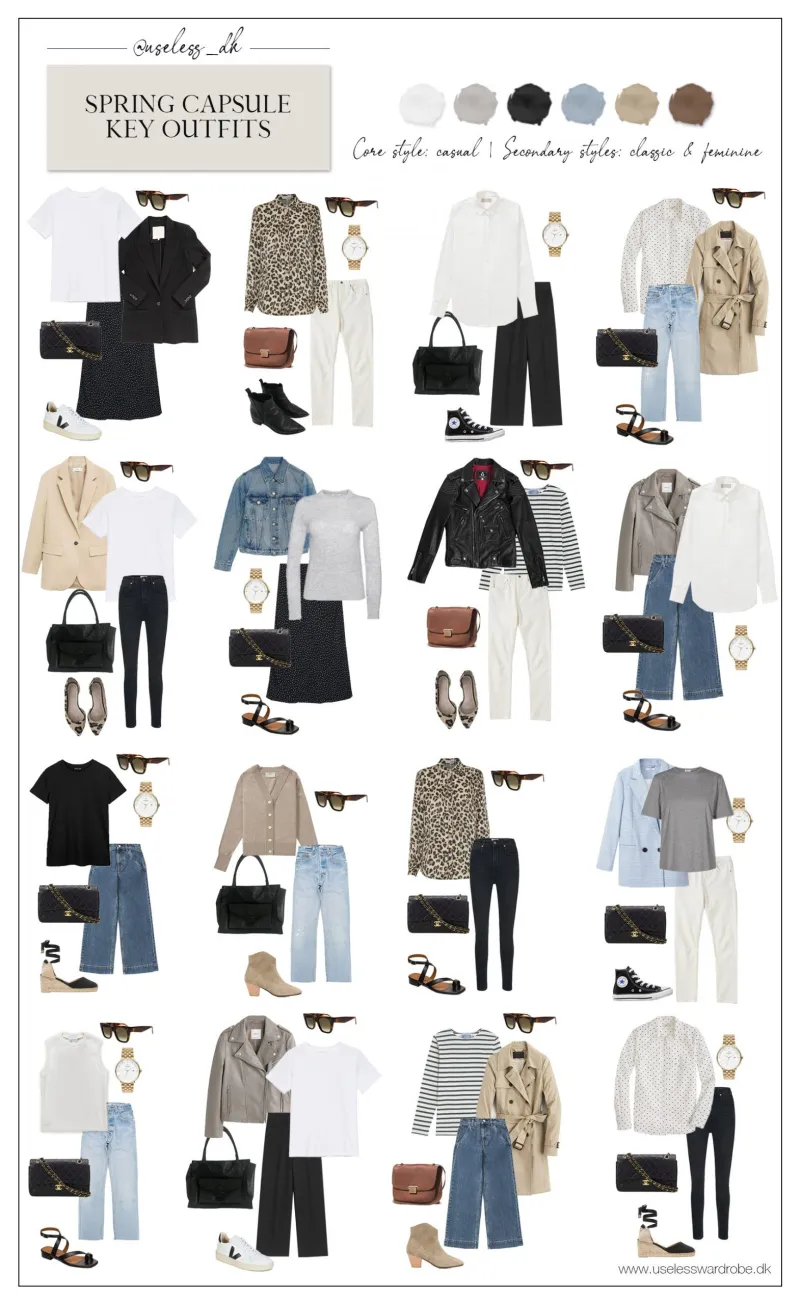
Photo: young woman personal style wardrobe capsule collection fashion editorial independent designer, via i.pinimg.com
Somewhere between the third micro-trend of the month and the fourteenth "must-have" piece of the season, something snapped. Not loudly. Not in a manifesto or a viral callout post. Just quietly, in the minds of a lot of young women who looked at their overflowing closets and thought: none of this actually feels like me.
That moment of recognition is the seed of something much bigger — a genuine counter-movement to the algorithm-driven, churn-and-burn fashion cycle that has defined the last decade of getting dressed. And the women leading it aren't opting out of fashion. They're opting into something more intentional, more personal, and honestly, more interesting.
The Exhaustion Is Real
Let's be honest about what the trend cycle has become. It's not seasonal anymore — it's not even monthly. It's daily. TikTok's fashion algorithm doesn't wait for runway seasons; it generates micro-trends in real time, each one with a tight window of relevance before the next one rolls in. Mob wife aesthetic. Tomato girl summer. Quiet luxury. Coastal grandmother. These aren't just aesthetics — they're assignments, delivered with an urgency that implies your wardrobe is already out of date.
For a lot of Gen Z women who came of age watching this machine accelerate, the burnout is genuine. There's a particular kind of exhaustion that comes from constantly performing reinvention — from feeling like your identity needs a new costume every three weeks to stay culturally legible. It's expensive, it's unsustainable, and it's deeply disconnected from any real sense of personal style.
The rebellion against it isn't loud or dramatic. It's just... a refusal. A quiet, deliberate step off the treadmill.
What "Anti-Trend" Actually Means
Here's what the anti-trend movement is not: it's not wearing boring clothes. It's not rejecting creativity or beauty or even boldness. The women building what some are calling "personal uniform systems" aren't dressing down — they're dressing with more intention than most trend-chasers ever manage.
A personal uniform, in this context, means a curated set of pieces that genuinely reflect who you are — your actual aesthetic, not the one the algorithm assigned you this month. It means investing in quality over quantity, choosing designers whose work you believe in, and building a wardrobe that has a coherent visual identity across years, not seasons.
This is, in its own way, a deeply design-forward approach to dressing. It requires the kind of self-knowledge and aesthetic clarity that trend-following actively discourages. When you're not chasing the next thing, you have to actually know what your thing is.
The Designers Worth Knowing
The anti-trend movement has created a beautiful opening for designers who were never interested in the churn to begin with — smaller labels and independent creators building slow, intentional collections with a strong point of view.
Labels like Entireworld, Vince, and a growing roster of independent designers on platforms like Faire and direct-to-consumer sites are finding devoted audiences among younger women who are done with disposable fashion. These aren't necessarily minimalist brands — some of them are incredibly bold, with strong color stories and distinctive silhouettes. What they share is a commitment to longevity: pieces designed to be worn for years, not weeks.
Even more interesting are the micro-designers — small-batch creators, often women of color, who are building tiny but intensely loyal followings by making things that are genuinely singular. When you buy from a designer making 50 pieces per run, you're not buying into a trend. You're buying into a vision. That's a fundamentally different relationship with clothes.
Sustainability as a Side Effect
The environmental case for opting out of fast fashion is well-documented at this point — the textile industry is one of the most polluting on the planet, and the fast fashion model is its most aggressive expression. But here's something worth noting: for most of the women driving the anti-trend movement, sustainability isn't the primary motivation. It's a welcome side effect.
The primary motivation is self-respect. It's the refusal to spend money on things that don't actually serve them, to clutter their lives with pieces they'll wear twice before the trend expires. The sustainability piece lands as a confirmation that their instinct was right, not as the original argument.
This is actually important for how we talk about conscious fashion. Framing it purely as an environmental issue often fails to resonate in a personal, motivating way. Framing it as a question of identity — does this actually reflect who you are, or are you just following instructions? — hits differently.
The Radical Act of Staying Still
There's something almost philosophically interesting about what these women are doing. In a fashion culture that has equated constant change with relevance, staying still — committing to a personal aesthetic and refusing to abandon it every time the algorithm pivots — is genuinely countercultural.
It's a statement that says: I know who I am. My style isn't up for renegotiation every thirty days. I'm not performing my identity for your engagement metrics.
That kind of clarity is rare and, honestly, aspirational. The most stylish women in any room are almost always the ones who look like themselves — not like this season's mood board. That's not an accident. It's the result of knowing your own aesthetic well enough to protect it.
Building Something That Lasts
If you're somewhere on the spectrum of trend fatigue — if any of this is landing as familiar — here's the practical version of what the anti-trend movement suggests.
Start with the pieces you already own that you reach for constantly, that make you feel most like yourself. What do they have in common? Color family, silhouette, fabric weight, vibe? That's the beginning of your actual aesthetic vocabulary.
Then, when you shop, ask a different question. Not "is this on trend right now?" but "will I still love this in three years?" Not "did I see this on TikTok?" but "does this fit the visual story I'm already telling?"
It sounds simple. It's actually a pretty radical reorientation. And the designers who are doing the most interesting work right now — the ones building real, lasting relationships with their customers — are the ones who've been asking those questions all along.
The trend cycle will keep spinning. You just don't have to be on it.