Ghosted by History: The Women Who Built Fashion's Great Houses Without a Byline

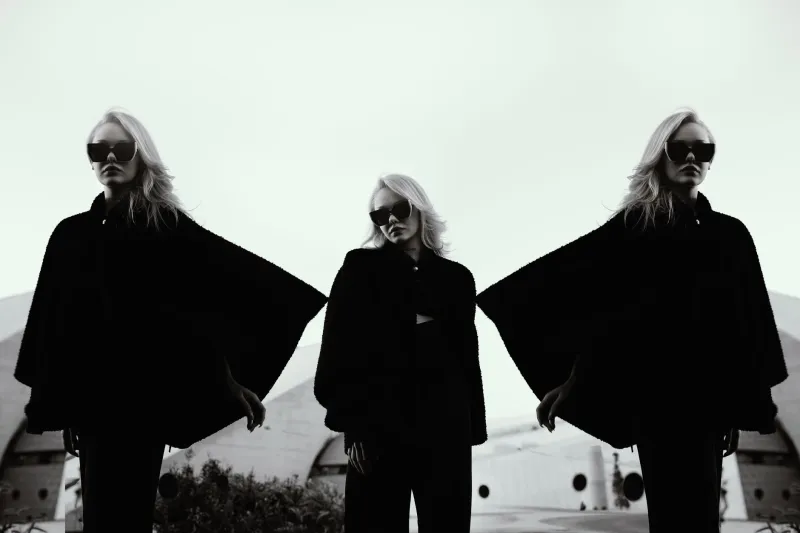
Photo: آرش کامروا, CC BY-SA 4.0, via Wikimedia Commons
Fashion loves a founder myth. The solitary genius, the signature silhouette, the name in the serif logotype. But peel back the label on almost any legendary house and you'll find something the archives tend to gloss over: a studio full of women whose hands actually made the magic — and whose names history filed under "workroom."
The Uncredited Engine Room
Consider Madeleine Vionnet, the genius of the bias cut — who spent years ghost-designing under the label of a house that exploited her before she struck out on her own. Or the legion of première mains — the head seamstresses and pattern cutters of Parisian couture — who translated a designer's sketch into a garment that actually held a shape. In the couture system, the sketch was a scribble; the woman who draped, cut, and fitted it was the engineering. The sketch got the museum retrospective. The cutter got a footnote, if that.
The pattern repeats on American soil. Claire McCardell aside, mid-century US fashion ran on anonymous design staff turning out collections under merchant princes' names. The women who understood construction, drape, and the actual physics of a woman's body were treated as infrastructure — essential, invisible, replaceable.
Why the Names Got Cut
This wasn't an accident of modesty. It was economics. In an industry where the brand is the asset, attribution is ownership. Keeping the workroom anonymous kept the equity concentrated at the top — and the top was, overwhelmingly, men with capital and the women with craft. A ghostworker couldn't leverage her reputation, command licensing deals, or leave to found a rival house, because officially, she'd made nothing.
The Dragon at the Gate
Which is why the present moment feels like a correction decades overdue. Today's creator economy has handed women designers the one thing their predecessors never had: direct audience. Instagram and TikTok have collapsed the gatekeeping pipeline — you no longer need a department store buyer to bless you when a million followers can. Designers like Tia Adeola, who built a cult following with her ruffled pieces before the establishment came calling, or the wave of independent makers selling made-to-order directly from their studios, are doing something quietly radical: keeping their own names on their own labels.
Crowdfunding, drop models, and small-batch production mean the pattern cutter can be the founder now. The skills that were once extracted from women's studios are becoming the business plan. The ghostwomen would recognize the irony instantly.
Read the Label Differently
So here's your homework, dragon-style: when you fall in love with a piece, ask who made it, and whether that name is on it. Support the independent studios. Follow the makers, not just the houses. Because the history of fashion isn't just a history of genius founders — it's a history of women whose work outlived their credit. The best way to honor them is to make sure the next generation never has to haunt their own creations.