Flaw Forward: Why Fashion's New Obsession Is Looking Beautifully Broken

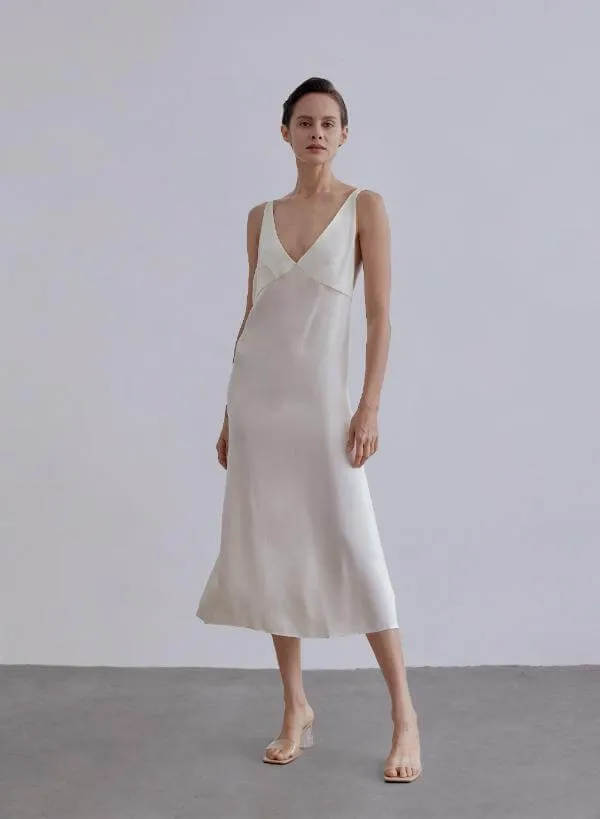
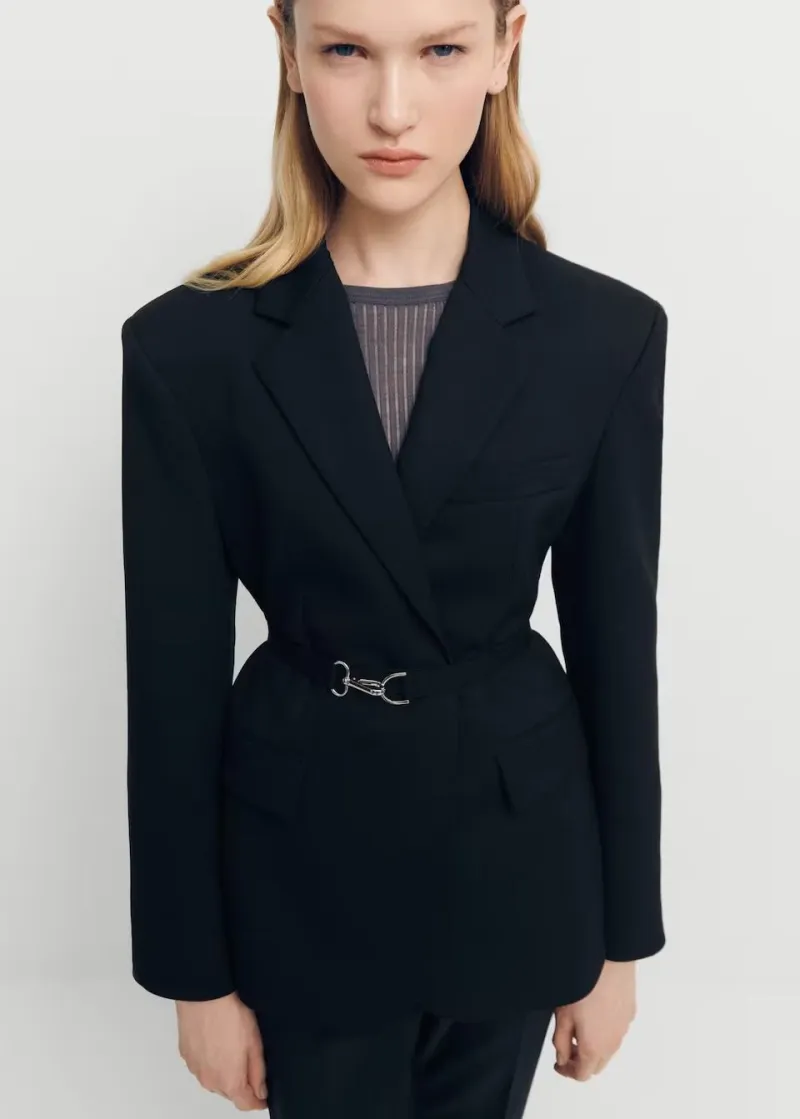
Photo: deconstructed fashion asymmetric clothing raw edges editorial photography, via i.pinimg.com
There's a seam that's supposed to be showing. That hem that dips lower on the left side? Intentional. The raw edge fraying at the cuff isn't a sign that your jacket is falling apart — it's the whole point. Welcome to fashion's most quietly radical movement: the deliberate, defiant embrace of imperfection.
For decades, the fashion industry sold us a very specific idea of beauty. It was symmetrical, smooth, and relentlessly polished. Perfection was the product. But something has shifted — and it didn't happen on a mood board in a design studio. It happened in thrift stores, in ceramics classes, on TikTok, and on the runways of designers who got tired of making things that looked like they'd been generated by a machine.
The Wabi-Sabi Effect
If you want to understand where this is coming from aesthetically, you have to talk about wabi-sabi — the Japanese philosophy that finds beauty in transience, incompleteness, and the natural process of wear. It's the cracked glaze on a tea bowl. The moss creeping over a stone. The aged patina on something that's been loved hard and long.
Luxury fashion has been quietly absorbing this philosophy for a few years now, but it's hitting differently in 2024 and into 2025. Brands like Maison Margiela have built entire identities around the concept of deconstruction — exposing linings, leaving basting stitches visible, presenting garments that look mid-process rather than finished. It's a design choice that asks something of the wearer: Are you comfortable being seen in something that refuses to perform perfection?
For a growing number of American women, the answer is a loud, clear yes.
Gen Z Is Done Pretending
Here's the cultural context that makes this movement make sense: Gen Z grew up inside the algorithm. They were teenagers during the peak Instagram-face era, when filters smoothed everything into an uncanny valley of sameness. They watched beauty standards get increasingly digitally mediated, increasingly unreal, and increasingly exhausting to chase.
So when imperfection becomes the aesthetic choice, it's not laziness — it's pushback. It's a generation saying they've seen behind the curtain of manufactured flawlessness and they're not buying it anymore. The deliberately "ugly" shoe, the asymmetric cut, the visible mend on a thrifted blazer — these aren't accidents. They're arguments.
This shows up everywhere right now. The "ugly" sneaker trend that refuses to die. The chunky, slightly-off-kilter jewelry that looks like it was made by hand — because it was. The resurgence of visible darning and kintsugi-style repairs on denim, where the fix is highlighted rather than hidden. On platforms like Pinterest and Depop, "perfectly imperfect" has become an actual search category, which tells you everything about where consumer desire is moving.
What Designers Are Actually Doing
The designers leading this charge aren't being careless — they're being incredibly deliberate. There's a huge difference between something that looks unfinished because of poor craft and something that looks unfinished as a choice. The latter takes more skill, not less.
Consider the raw-edge trend in tailoring. A jacket with an intentionally unfinished hem requires a designer to think carefully about which fabrics will fray beautifully versus which will just look cheap. It requires confidence in the overall construction, because when you strip away the polish, the bones of the garment have to be strong enough to hold the look together.
American designers like Telfar Clemens have long played with the idea of accessible imperfection — pieces that look and feel democratic, lived-in, real. Emerging labels from New York's downtown scene are pushing further, presenting collections where mismatched buttons are a feature, where hand-stitched details vary from piece to piece, where no two garments are exactly alike. That variance used to be a manufacturing problem to solve. Now it's a selling point.
In the accessories space, the handmade aesthetic is driving serious commercial momentum. Ceramic jewelry with visible thumbprints in the clay. Leather bags with uneven edges and hand-punched holes. Beaded pieces where the irregularity of the beadwork is part of the charm. These aren't niche craft fair finds anymore — they're showing up at major retailers and commanding serious price points.
The Algorithm Problem
There's a direct line between the rise of imperfection aesthetics and the cultural fatigue around social media's visual sameness. When your entire feed is perfectly lit flat lays and smoothed-skin selfies, the brain starts craving friction. It starts craving something that looks like it was touched by human hands.
The irony, of course, is that "authentic imperfection" can itself become an algorithm-friendly aesthetic — carefully curated to look uncurated. But even that meta-layer doesn't fully undercut the movement's energy. Because the physical reality of wearing something asymmetrical, or visibly repaired, or deliberately rough around the edges, is an experience that exists outside the screen. You feel different in it. You carry yourself differently.
That's the real subversion here. Not just the look, but what the look does to the person wearing it.
Wearing Your Flaws Like a Dragon Wears Its Scales
At Pink Dragon Studio, we've always believed that bold doesn't have to mean polished. Fearless femininity isn't about presenting a perfect surface to the world — it's about having the confidence to show up as something real, something textured, something that hasn't been sanded down to meet someone else's standard of acceptable.
The imperfection movement in fashion is, at its core, a confidence movement. It takes guts to wear the visible seam. It takes a certain kind of self-possession to choose the asymmetric hem when the world keeps handing you perfectly even options.
So the next time you're eyeing that slightly irregular handmade piece and wondering if it's "too much" or "not quite right" — consider that those might be exactly the reasons to wear it. The crack is where the light gets in, and right now, fashion is finally smart enough to know it.